Land


About: False Hawk's-beard is a fast-growing, herbaceous annual or short-lived perennial native to East Asia. It has become a common weed across much of the world, including parts of South Africa. It's often found in gardens, lawns, and disturbed soils. Although it's typically seen as a weed, it has edible and medicinal uses in various Asian traditions. Its small, yellow dandelion-like flowers and fluffy seed heads make it easy to identify.
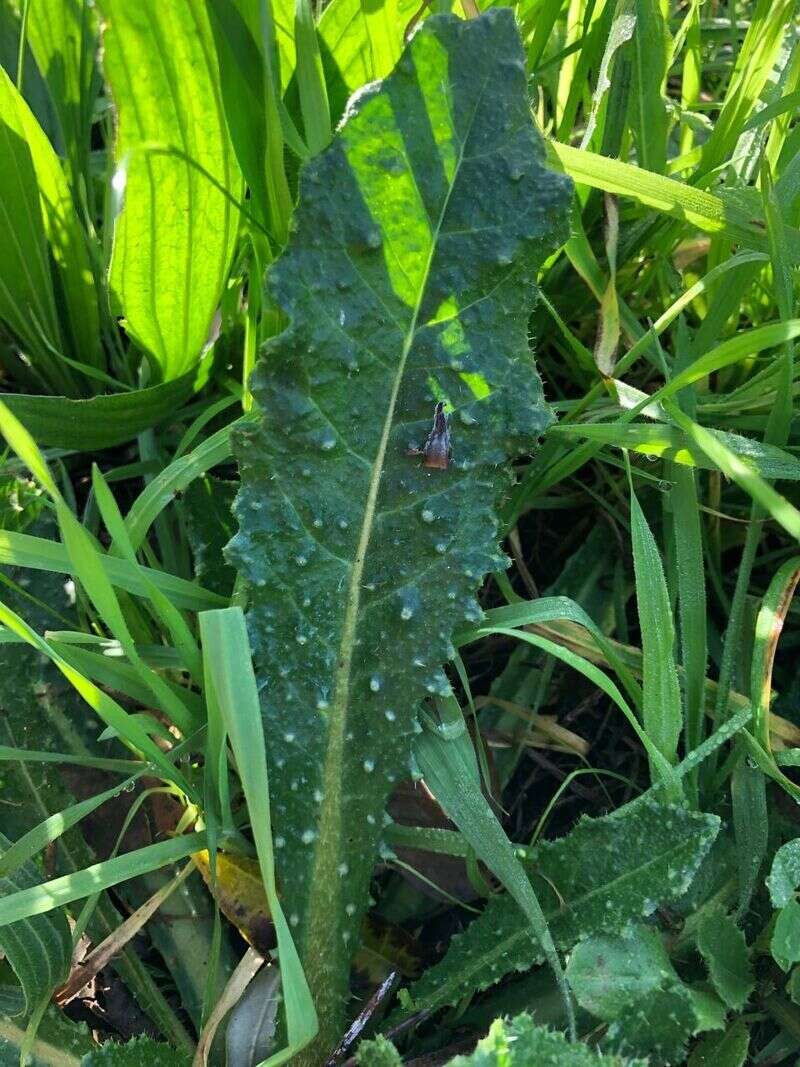
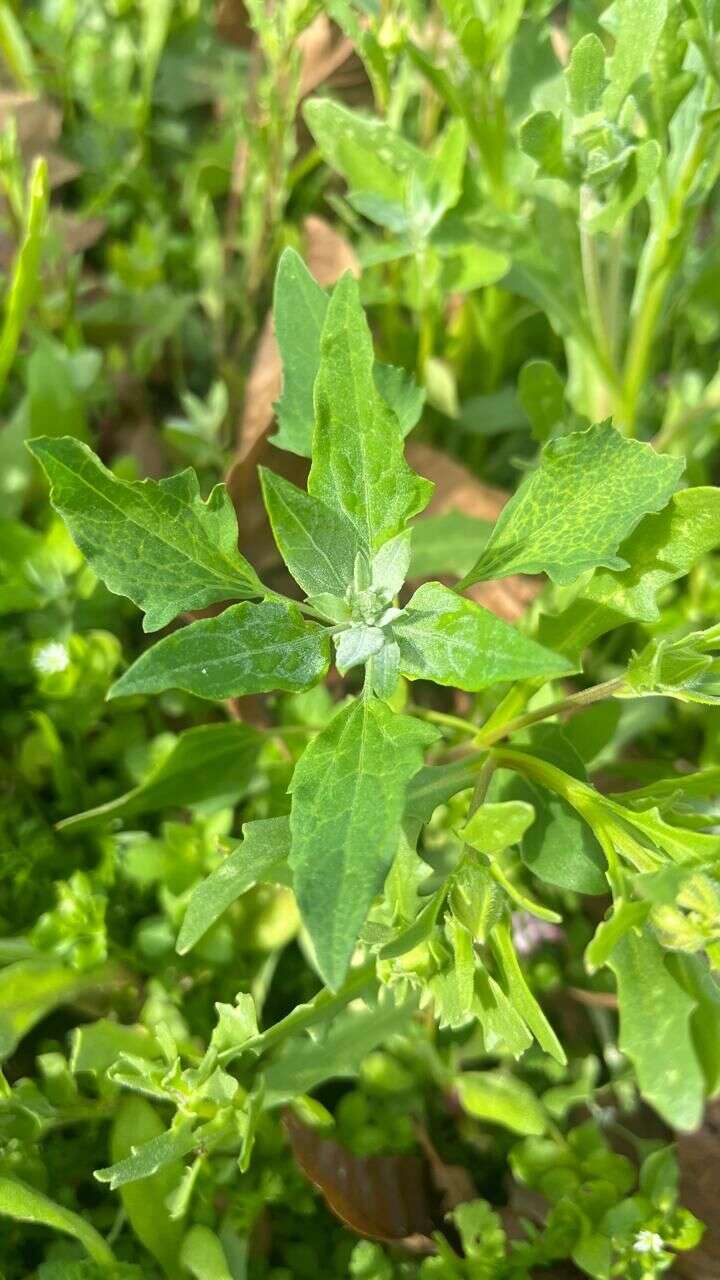
Identification: Youngia japonica usually grows to about 10–60 cm tall. It has basal leaves that are lobed or deeply toothed and form a rosette close to the ground. The flowering stem is branched, often reddish or green, and carries multiple small yellow flower heads, each with strap-shaped (ligulate) florets. After flowering, it produces pappus-tufted seeds that are wind-dispersed, much like dandelions. The plant contains a white, milky sap when broken.
Habitat: False Hawk's-beard is most commonly found in disturbed areas, such as lawns, roadsides, pavements, open fields, gardens, and urban plots. It thrives in full sun to partial shade, prefers moist, well-drained soils, and can tolerate compacted or poor soils. In South Africa, it appears widely in urban and suburban areas, especially during warmer months.
Uses: The young leaves and stems are edible and are used in traditional dishes in parts of China and Southeast Asia, usually boiled, stir-fried, or added to soups. The taste is mild and slightly bitter. In traditional Chinese medicine, the plant is believed to have anti-inflammatory and cooling properties, and it's used to treat fevers, urinary issues, and digestive discomfort. While not commonly used in South African traditional medicine, it is a safe wild edible when correctly identified.
Harvesting Tips: Harvest the young leaves and stems before the plant flowers, as they become more bitter with age. Use clean scissors or pinch off the tops with your fingers. Always forage from pesticide-free areas, especially since this plant is common in urban environments. The plant regrows quickly after harvesting and can be gathered multiple times in one season.
Fun Fact: False Hawk's-beard (Youngia japonica) can germinate, flower, and set seed in under 30 days, making it one of the fastest-growing wild plants in urban spaces. Its adaptability and rapid seed dispersal are why it's so widespread—even growing between cracks in pavement and on rooftops!