Land
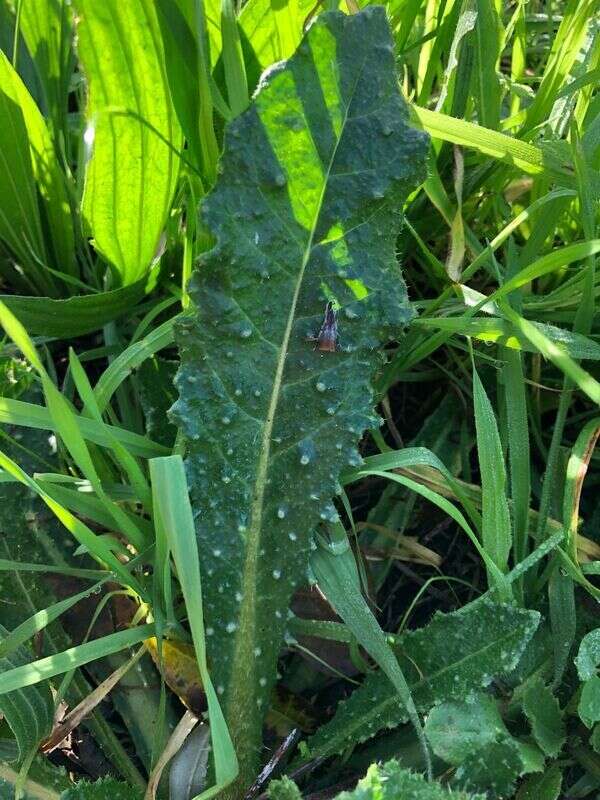
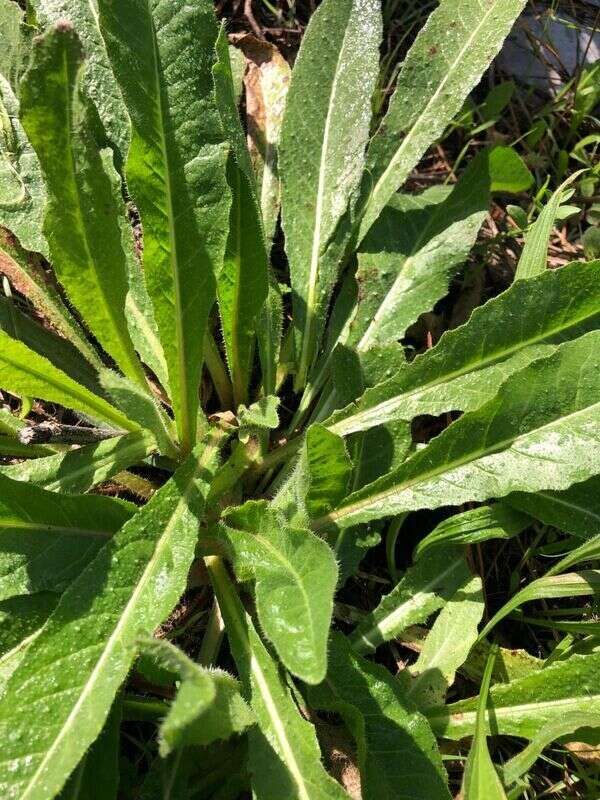
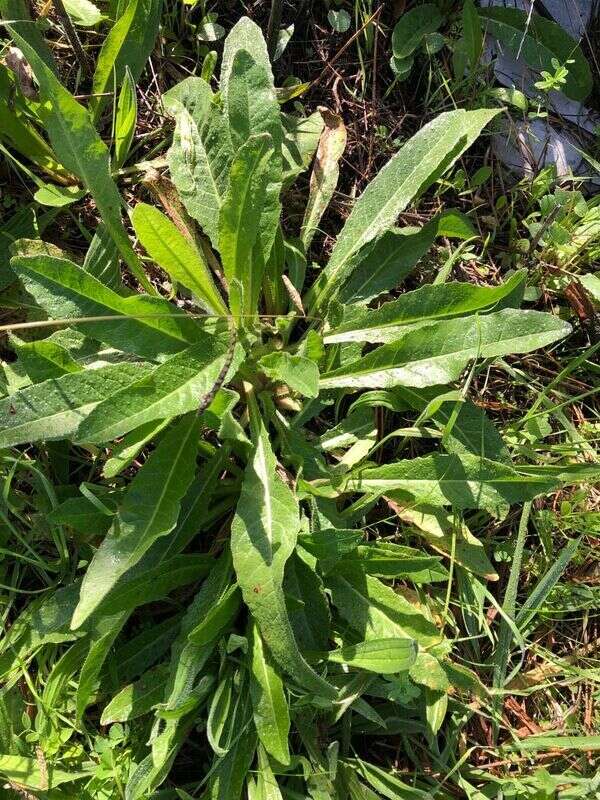
About: Bristly oxtongue is a common wild plant found across South Africa and many parts of the world. It gets its name from its rough, hairy leaves, which feel like a cow's or ox's tongue. Although often considered a weed, it has a long history of traditional and folk uses, especially in Europe. The plant is related to dandelions and sow thistles and is edible in small amounts when young, though the hairs and bitterness make it less palatable than other wild greens.
Identification: This plant has large, rough, bristly leaves that are gray-green and covered with stiff hairs. The leaves are lance-shaped and can grow quite large, resembling the shape of an ox's tongue—hence the name. Bristly Oxtongue produces bright yellow flowers similar to dandelions, usually solitary on long stalks. The plant also has a milky sap typical of many in the daisy family.
Habitat: Bristly Oxtongue thrives in disturbed soils, roadsides, gardens, and waste places. It prefers full sun to partial shade and grows well in a variety of soil types but favors well-drained soils. In South Africa, it is found mainly in temperate regions and urban areas.
Uses: Traditionally, the leaves of Bristly Oxtongue have been used in folk medicine to treat skin conditions like wounds and inflammation. The plant contains compounds that may have mild anti-inflammatory effects. However, it is not commonly used as food due to its rough texture and bitter taste.
Harvesting Tips: If using for medicinal purposes, harvest young leaves in the spring before flowering, when the plant is tenderest. Use gloves due to the bristly texture and wash leaves thoroughly before preparation. Avoid areas treated with pesticides or contaminated by pollution.
Fun Fact: The bristly oxtongue produces a latex-like sap when its stems are broken, similar to dandelions and wild lettuce. Its genus name, Helminthotheca, comes from Greek and refers to its historical use as a remedy for intestinal worms, though this use is no longer common.