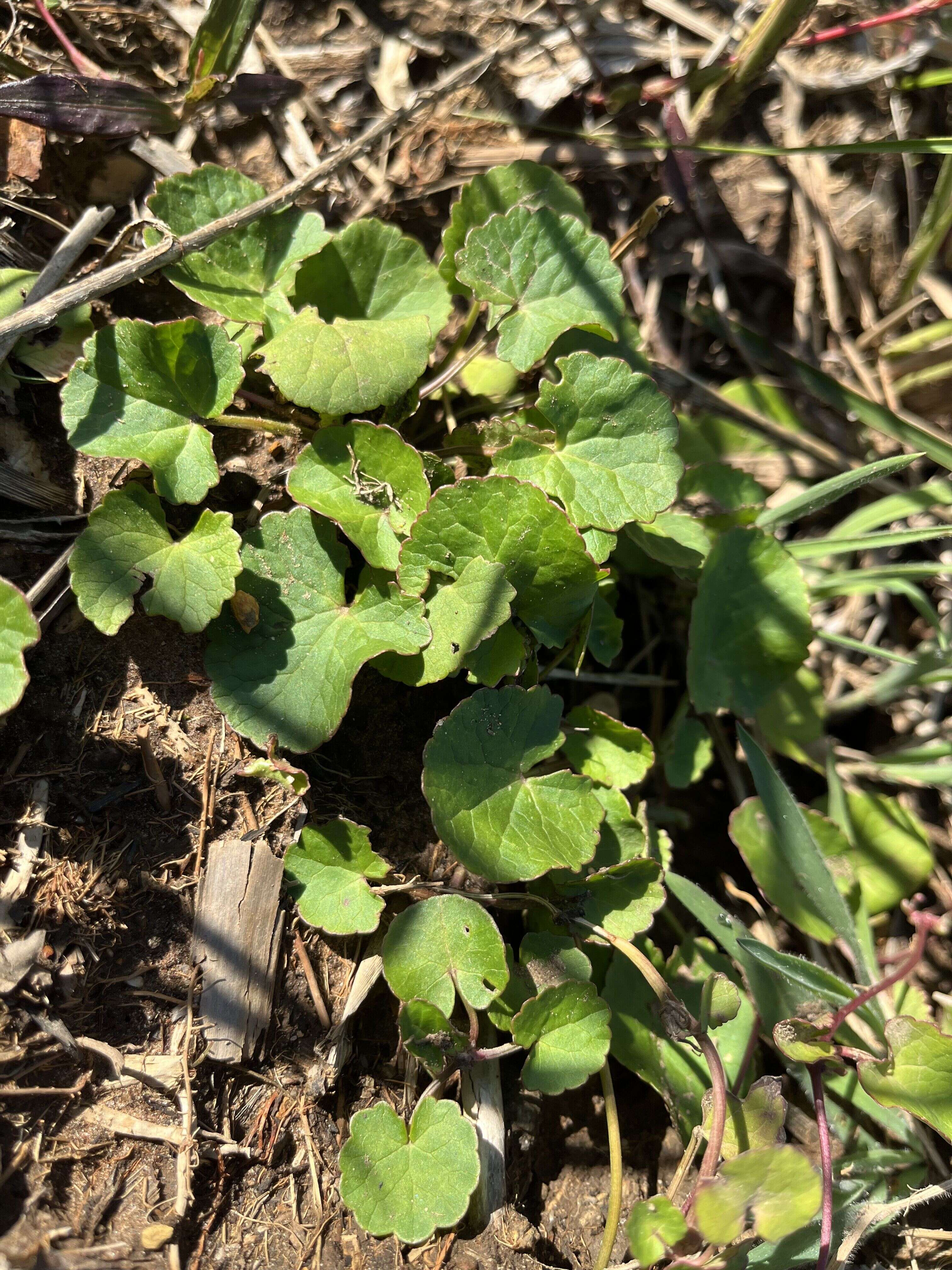
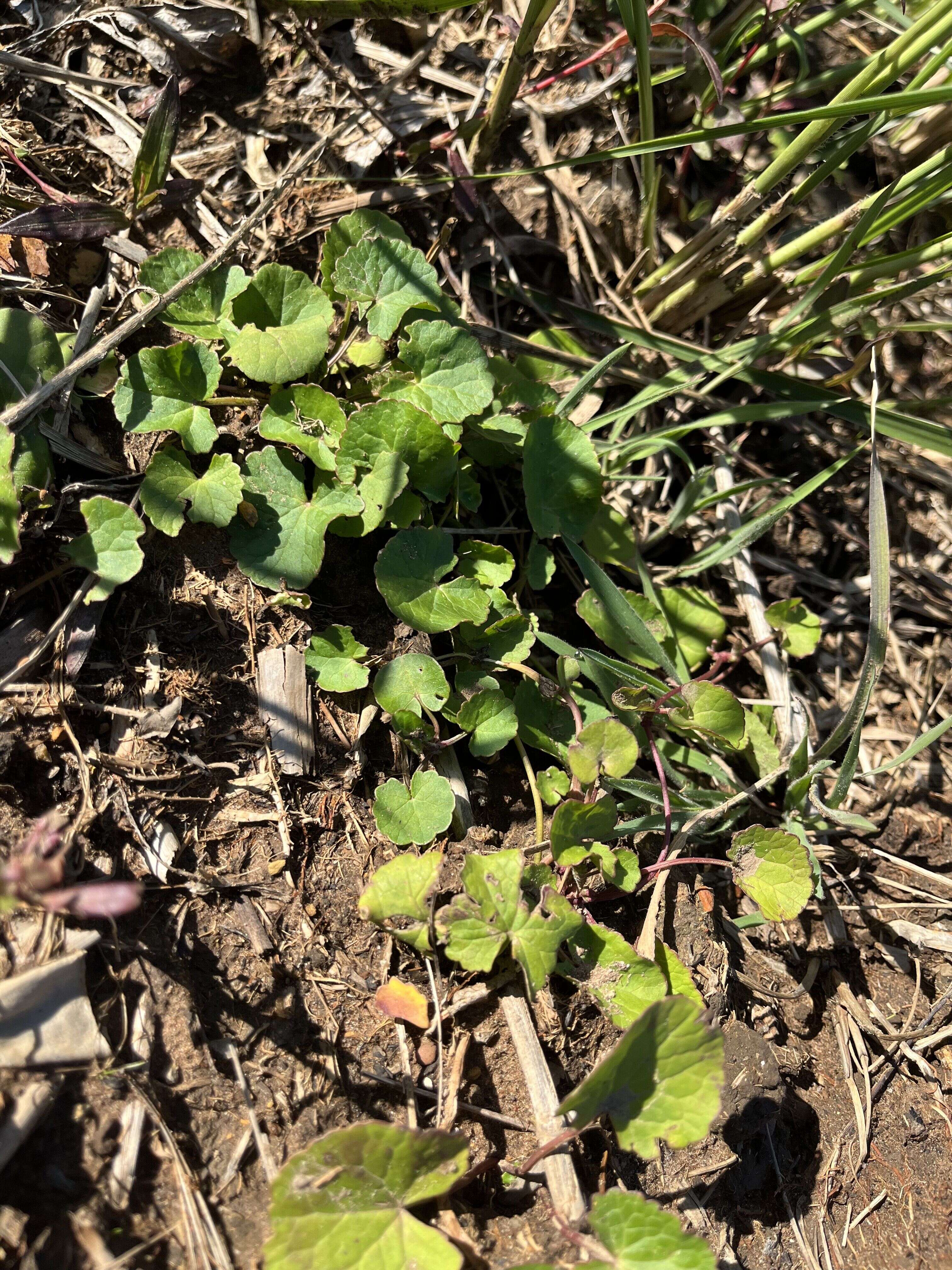
About: Marsh Pennywort (Centella asiatica) is a small, creeping perennial herb native to tropical and subtropical regions across Asia, Africa, Australia, and the Americas. It typically grows in damp, marshy areas and shallow freshwater environments. Known for its round, scalloped leaves and resilience in wet conditions, it has been revered in traditional medicine systems such as Ayurveda and Chinese medicine for centuries.
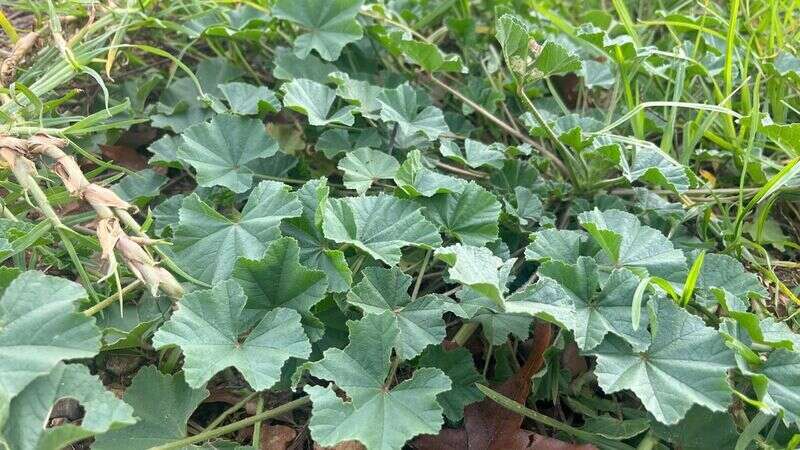
Identification: This herb forms low mats via slender stolons, with round or kidney-shaped leaves held above the soil on long stalks, featuring a smooth texture with net-like veins. Tiny white flowers form in umbrella-like clusters (umbels) close to the soil's surface.
Habitat: Marsh Pennywort thrives in damp, marshy places—pond edges, swampy zones, and moist grasslands—across its native regions. It is highly tolerant of wet conditions and often used in water gardens or as a natural groundcover.
Medicinal Uses: Traditionally, Marsh Pennywort has been used to treat skin ailments such as sores, wounds, and rashes by applying crushed leaves directly to the skin. Infusions made from the leaves have been used as a mild diuretic to help flush out toxins and to assist with mild kidney or bladder ailments. Some communities have also used it to support recovery from fevers and inflammation-related conditions.
History: Marsh Pennywort has a long history in traditional medicine among various South African cultures, where it has been valued for its soothing effects on skin problems and its general cleansing properties. Its use mirrors that of related species across the world, especially in traditional Asian herbal medicine, although the local species has unique adaptations to the Southern African climate.