Land
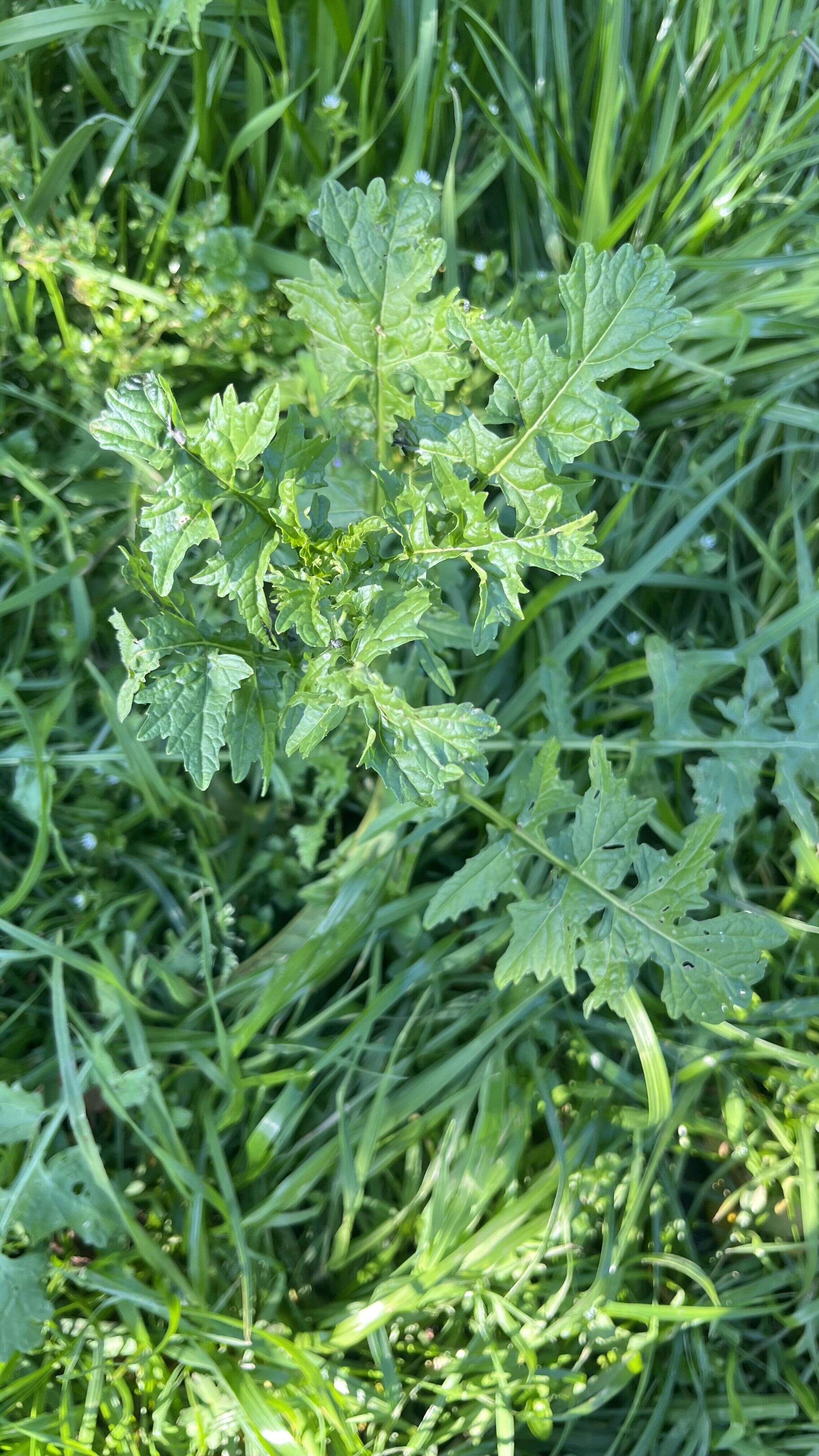
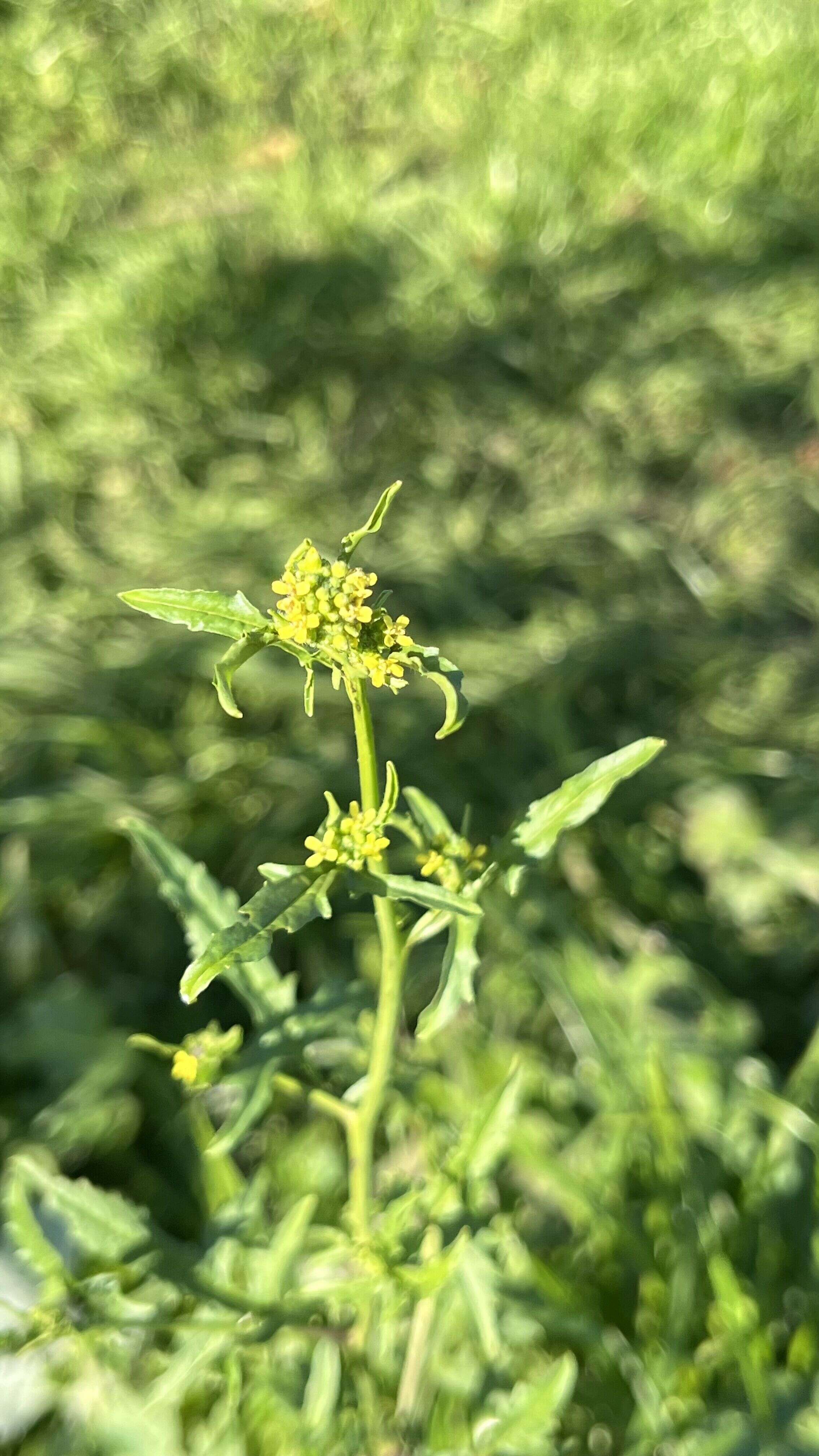
About: Hedge Mustard is an annual herb native to Europe and parts of Asia, but now widespread in temperate regions around the world, including South Africa. Traditionally valued in European herbal medicine, it is best known for its historic use in soothing hoarseness and sore throats. While it often appears as a roadside weed, Hedge Mustard is a member of the cabbage family and is edible in moderation.
Identification: Hedge Mustard grows upright and can reach 30–80 cm in height. It has alternate, deeply lobed leaves that resemble those of arugula or wild mustard. The plant produces small, yellow, four-petaled flowers clustered at the ends of the stems, typical of the mustard family. The seed pods (siliques) are thin, upright, and tightly pressed against the stem, which is one of its key identifying features. The entire plant has a slightly rough, hairy texture.
Habitat: It thrives in disturbed soils and is commonly found along roadsides, fences, vacant lots, old gardens, and urban edges. In South Africa, it appears mostly in the winter rainfall regions and in areas with Mediterranean-type climates. It prefers full sun and tolerates drought and poor soils.
Uses: The young leaves and flowering tops can be eaten raw or cooked and have a slightly peppery, mustard-like flavour. Hedge Mustard was traditionally used in herbal medicine to treat respiratory issues, especially hoarseness and loss of voice—earning it the nickname "the singer's plant" in some European traditions. It was often made into a tea or syrup. However, its medicinal use should be approached cautiously and not as a replacement for professional care.
Harvesting Tips: Harvest the young leaves and tender tops before flowering for the best flavour and texture. Older leaves become fibrous and bitter. Pick only from clean, unpolluted areas away from roadsides and chemically treated land. The plant is best used fresh, but the leaves can also be dried for use in herbal teas.
Fun Fact: Hedge Mustard was reportedly used by famous opera singers in the 18th and 19th centuries to soothe their voices before performances. Because of this, it was once called "Erysimum" in traditional herbalism, which means "to help or save" in Greek—a nod to its vocal-saving reputation.