Land
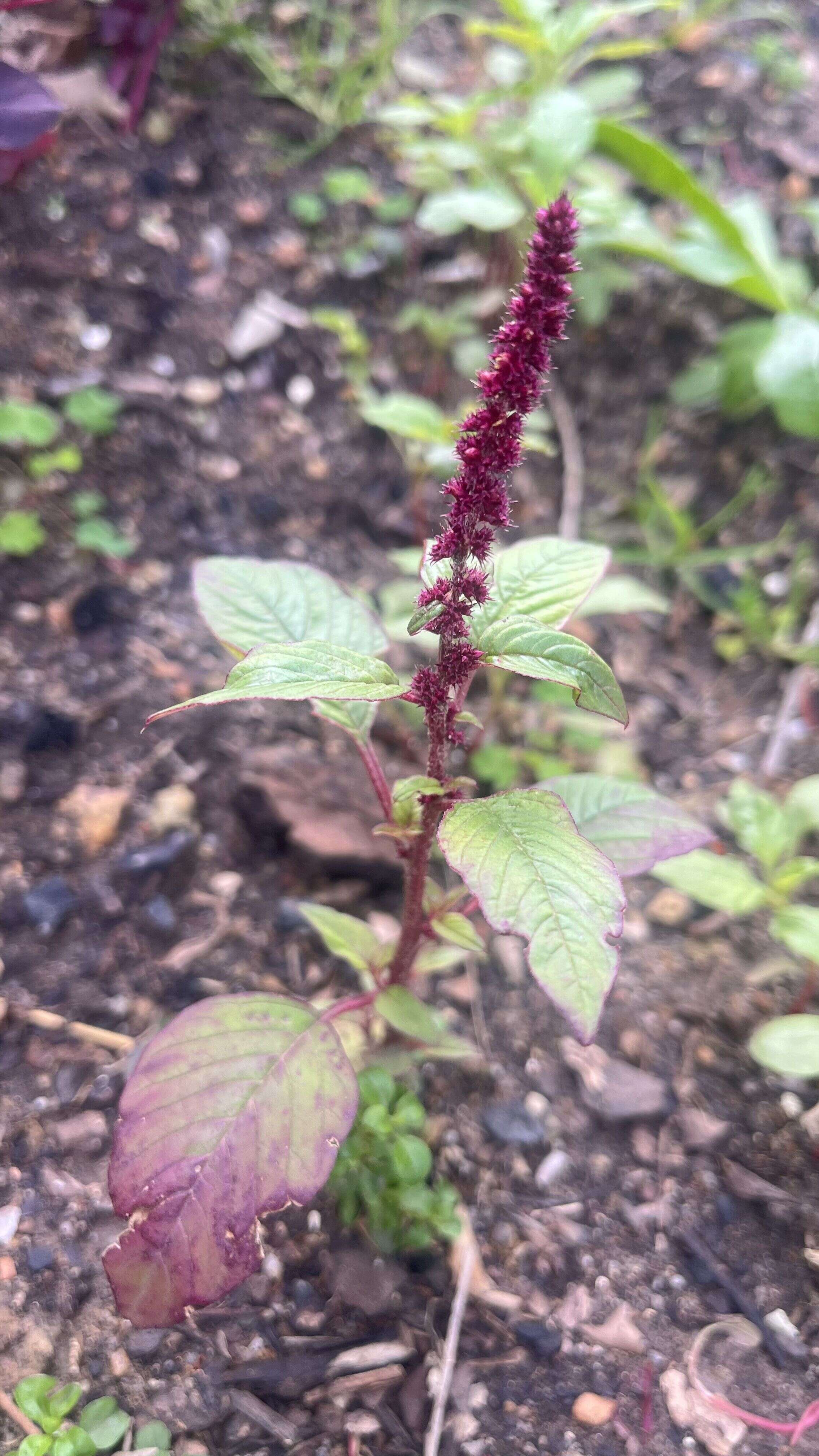
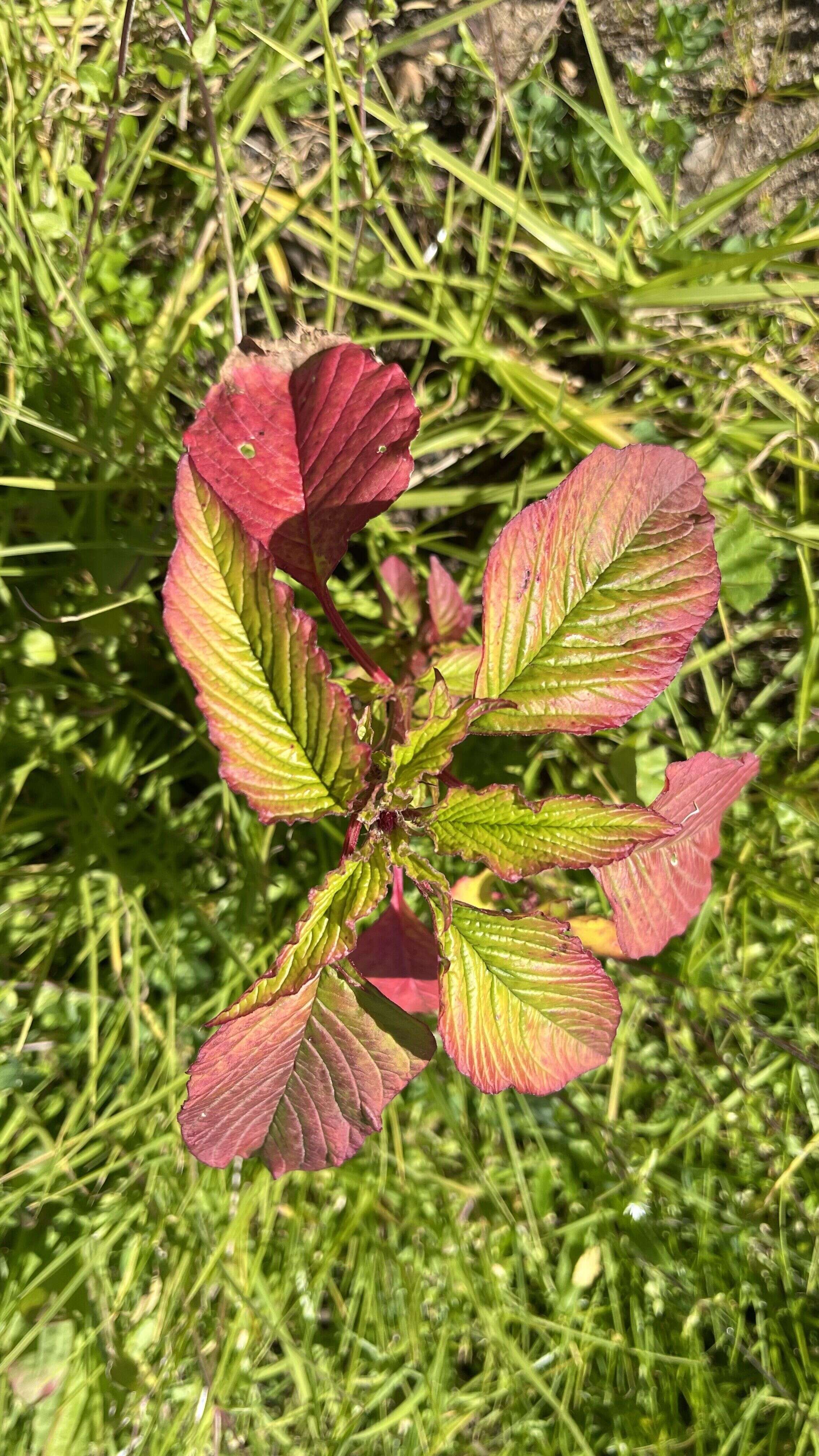
About: Amaranth refers to a group of fast-growing leafy plants that have been cultivated and foraged for centuries. It has been an important food crop in Africa, South America, and Asia, valued for both its edible leaves and protein-rich seeds. In South Africa, the leafy types of amaranth (commonly called marog) are used in traditional cuisine. While some species are cultivated, many grow wild and are considered nutritious weeds.
Identification: Amaranth plants can vary widely in size depending on the species and growing conditions, ranging from 30 cm to over 2 m tall. The leaves are oval or lance-shaped, green or reddish in colour, and sometimes have a slightly notched tip. Stems can be green or red and are often rough to the touch. Flower spikes are typically dense and form at the tips of branches or in leaf axils, with small green, red, or purple flowers. The seeds are tiny, round, and usually pale cream or brown.
Habitat: Amaranth grows well in disturbed soils, along roadsides, in gardens, on farmlands, and in open sunny areas. It prefers full sun and tolerates drought well. It is common across all provinces of South Africa, especially during the summer growing season.
Uses: The young leaves, stems, and even flowers of amaranth are edible and highly nutritious. They are rich in iron, calcium, magnesium, and vitamins A and C. Leaves can be boiled, steamed, or fried and are commonly used in stews, pap relishes, or eaten on their own. The seeds of some species (especially Amaranthus cruentus and A. hypochondriacus) are also edible and can be popped like popcorn, ground into flour, or cooked like quinoa. Medicinally, the plant has been used for digestive issues and to support wound healing.
Harvesting Tips: Harvest young leaves and shoots before the plant flowers for the best taste and tenderness. Cut the tips with clean scissors or a knife, and more growth will follow. Seeds are harvested when the flower heads turn dry and begin to shed. Shake or rub the seed heads gently over a container, then winnow to remove debris. Always harvest from clean, unsprayed areas.
Fun Fact: Amaranth was once considered a sacred plant by the Aztecs and is still used in traditional Mexican dishes today. In South Africa, marog has remained an essential leafy green in many rural diets despite being labeled a "weed" in some farming systems.