About: Bulrush (Typha capensis) is a tall, perennial wetland plant found across much of South Africa. It is well known for its dense brown flower spike and its ability to grow in large colonies along freshwater bodies. In traditional medicine, bulrush has been valued for its versatility, offering both nutritional and healing benefits. The plant has been used for centuries by indigenous communities for food, craft materials, and remedies.
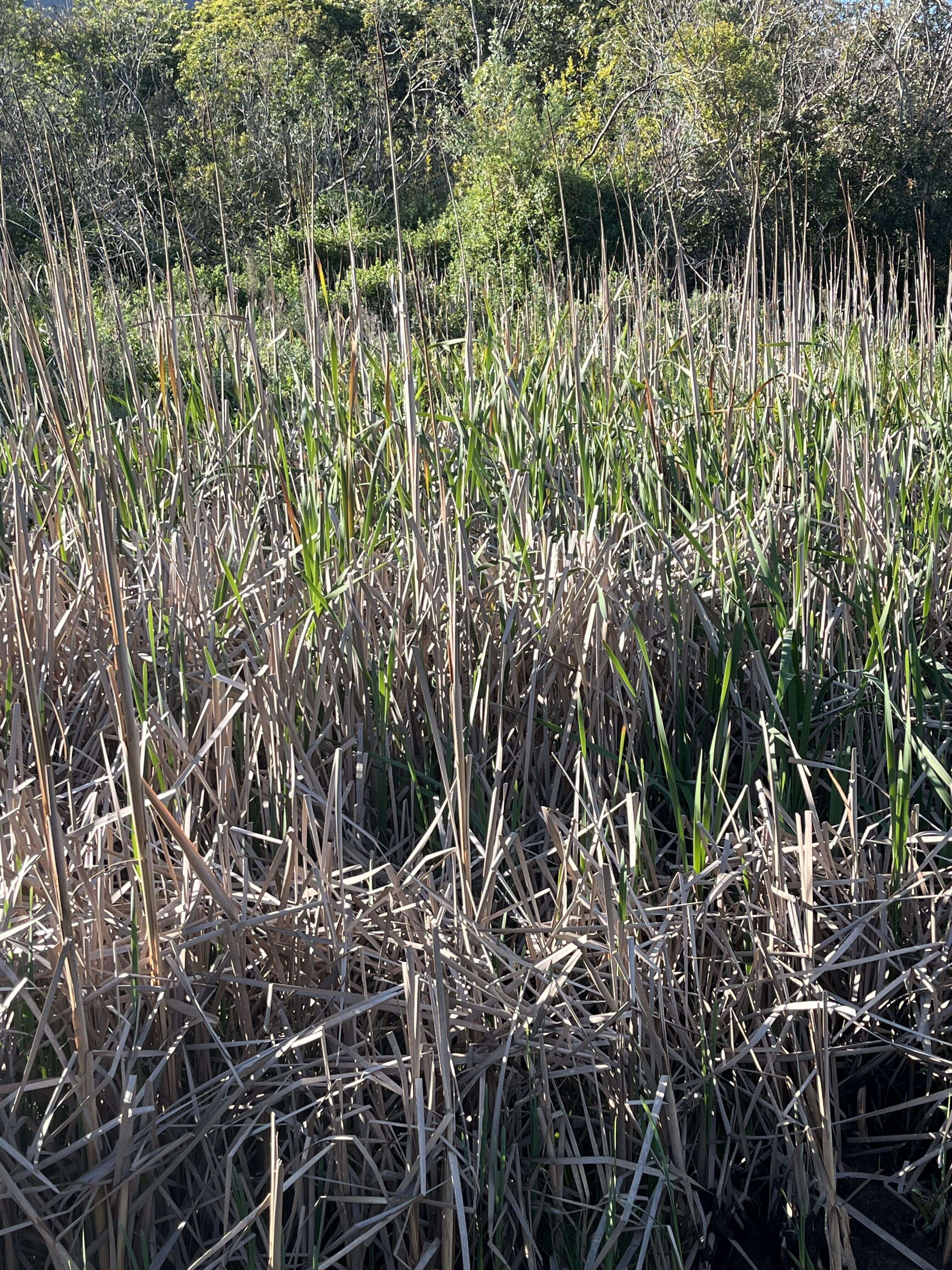
Identification: Bulrush is easily recognised by its long, flat, strap-like leaves and tall stems that can reach 2–3 metres in height. The flowering spike is distinctive: a thick, cylindrical, velvety brown head that appears above the foliage, made up of densely packed tiny flowers. The leaves are green to blue-green, with a tough, fibrous texture. The root system is rhizomatous, allowing the plant to spread extensively in suitable conditions.
Habitat: This plant thrives in wetlands, marshes, riverbanks, and around the edges of dams and ponds. It prefers shallow, slow-moving or still water with muddy or sandy bottoms. Bulrush is common throughout South Africa, including the Eastern Cape, KwaZulu-Natal, Western Cape, and inland wetlands, and plays a vital role in water purification and erosion prevention.
Medicinal Uses: In traditional healing, bulrush rhizomes have been used to treat digestive issues, aid recovery after childbirth, and improve circulation. The plant is known for its demulcent properties, soothing inflammation of mucous membranes. Poultices made from the roots have been applied to wounds and burns to speed healing, while the pollen has been used in some traditions to help stop bleeding. Modern herbal interest in Typha capensis focuses on its potential in improving male reproductive health and general vitality.
History: Bulrush has long been part of traditional African plant knowledge. Khoi and San communities used the plant for both food and medicine, while also weaving its leaves into practical household items. In Zulu traditional medicine, Typha capensis has been used as a tonic and restorative remedy. Its importance in wetland ecology, combined with its practical and medicinal uses, has ensured its continued relevance from ancient times to the present day.